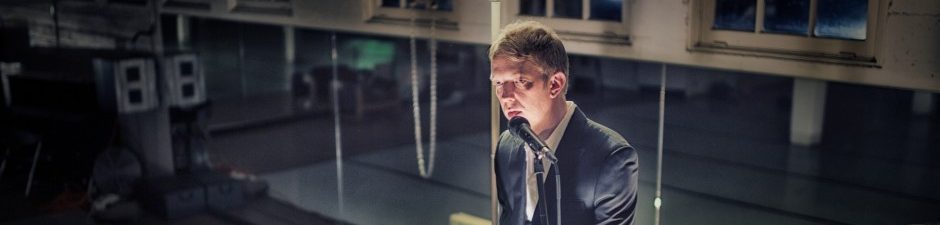
I’ve long been fascinated by the work of Jean Genet — I directed The Maids, his most widely performed play, in a Presbyterian church in San Francisco a number of years ago, and I’d always dreamed of staging The Balcony, his most technically complex play. I’d always regarded that play as too difficult to produce in a proscenium theatre, given it’s extraordinary vision of a “house of illusions” that seems always to be morphing and shifting.
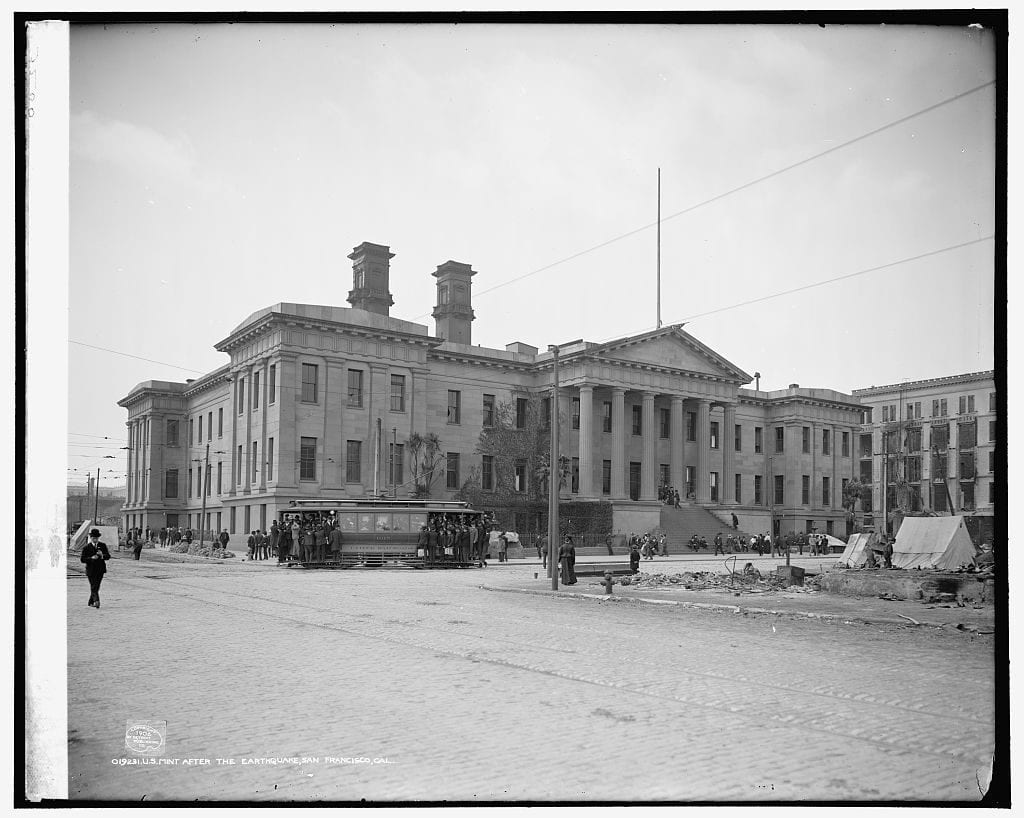
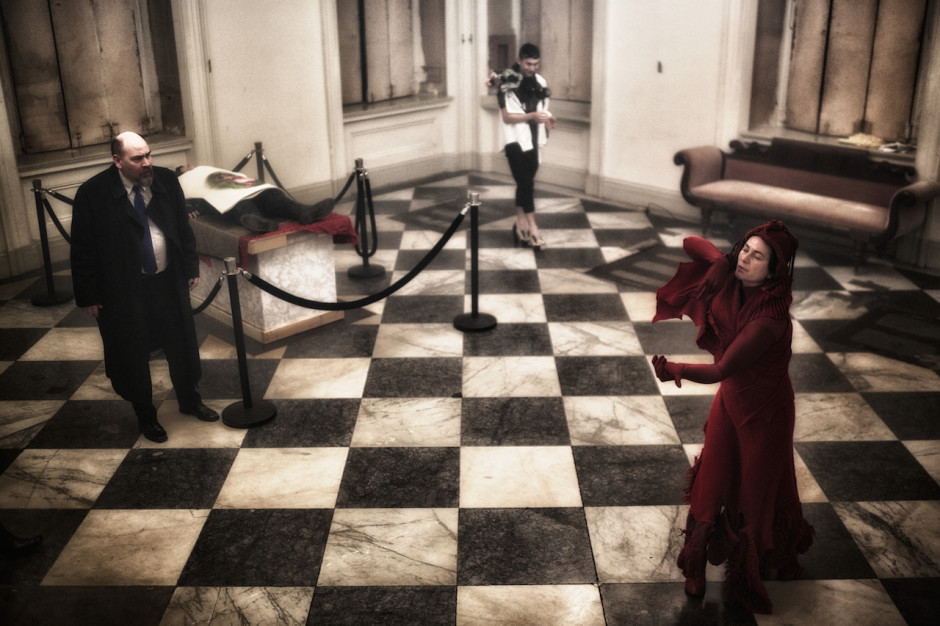
Early in 2014, Jamie Lyons and I started talking about the play, and the fact that we’d simultaneously been imagining it could be staged in San Francisco’s historic Old Mint building, a wild and beautiful neoclassical space that was one of the only buildings to survive the 1906 earthquake.
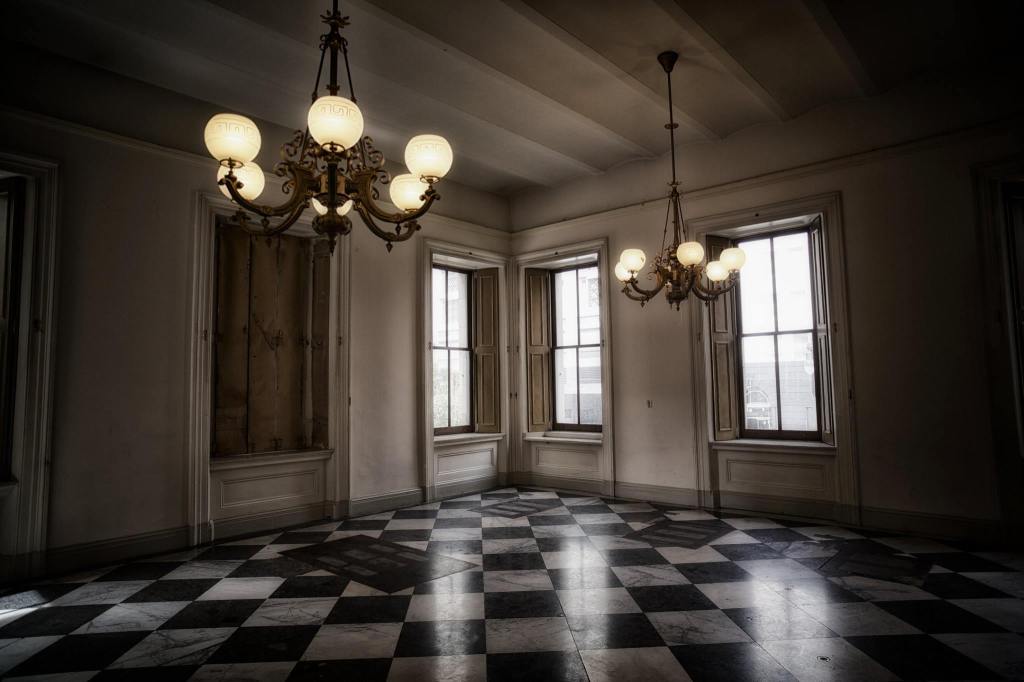
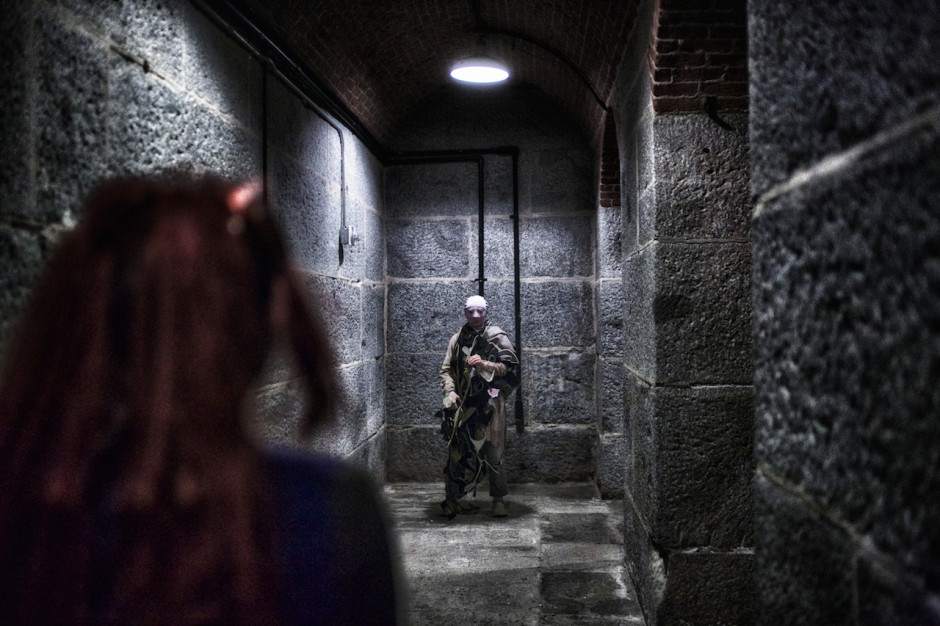
Though most people in San Francisco are familiar with the building, few have been inside it to experience its strange and elegant spaces: brick and steel vaults that once held a third of the nation’s wealth; enormous rooms with steel walls painted to look like wood, where panned gold could be traded for paper currency; and bombed out cavernous areas that served as CIA listening posts mid-century.

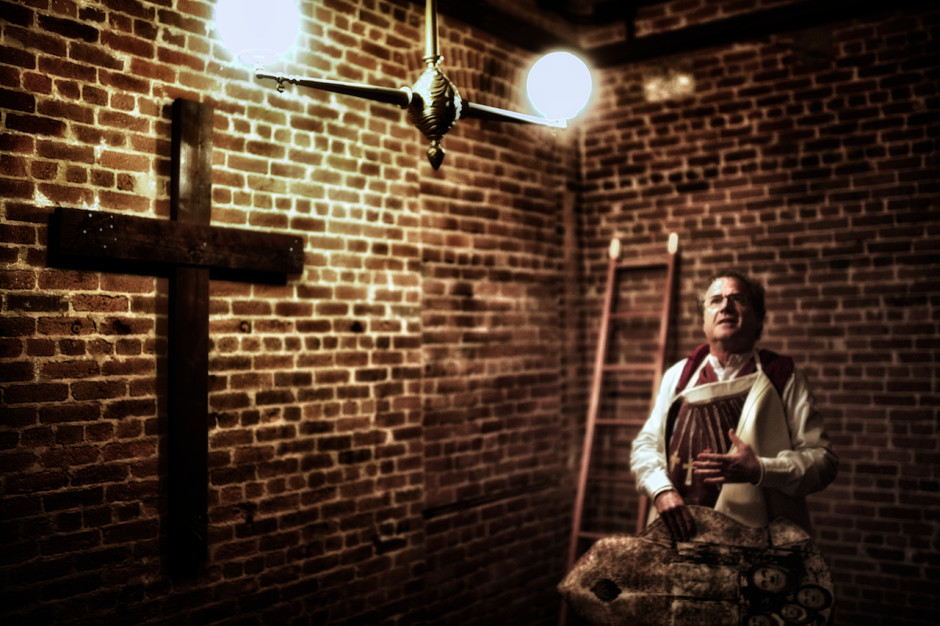
We both agreed that Genet’s imaginative landscape could be mapped onto the Mint’s many spaces almost perfectly; instead of transforming the set for each scene, we would move the audience through the building. The encounter with Genet’s incredible text would happen together with the remarkable experience of traversing the building.
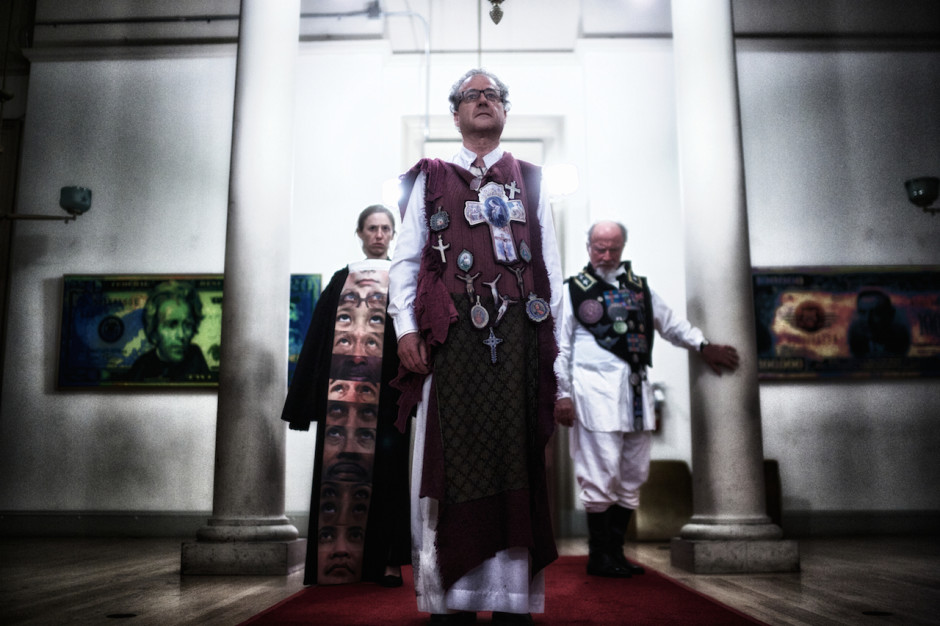
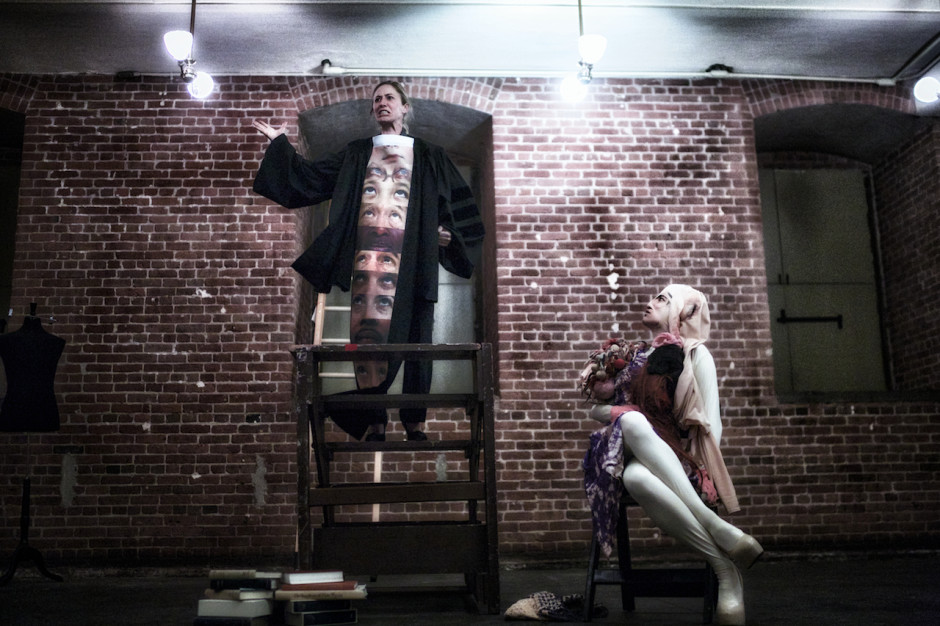
Our collaboration with textile artist Latifa Medjdoub added another remarkable layer to the visual world of this production, and after a long period of negotiation and a relatively short one of rehearsal, we showed The Balcony in the Mint in February of 2015, in a quick and intense sold-out 3 weekend run. For many of those who saw it, it was an event not to be forgotten.
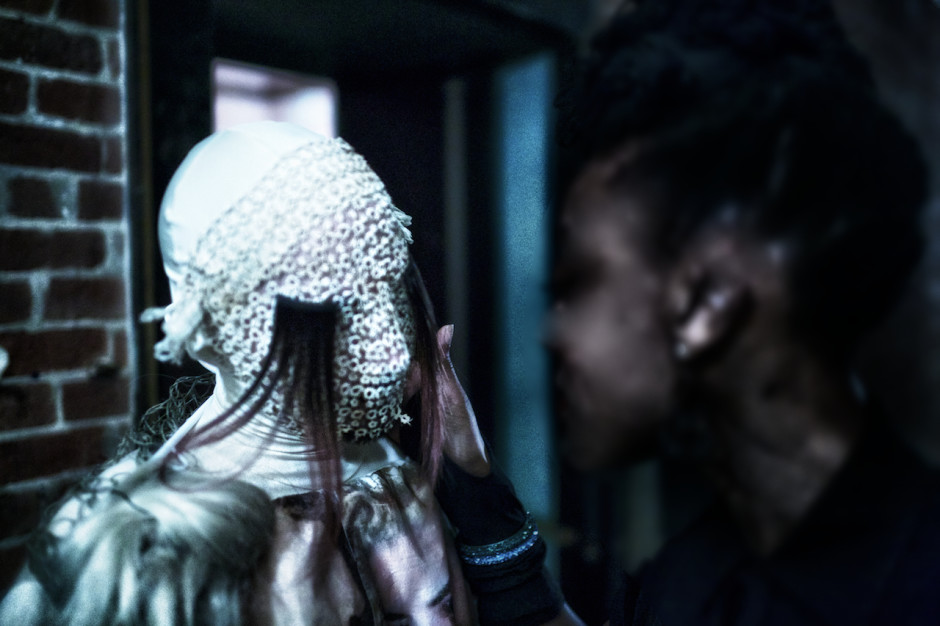
Muriel Maffre, then director of the Museum of Performance + Design, extended the life of the show by mounting an exhibition of Latifa’s wildly imaginative costumes, which ran for several months.
“Part of the recent upsurge in site-specific, ambulatory, and participatory performance, Collected Works is attempting to open a space for a repertoire of plays that might not otherwise be produced; its previous production was Witold Gombrowicz’s criminally neglected Princess Ivona, which it staged in a warehouse in a back alley in the SoMa (South of Market) district. What it adds to the trend toward interactive performance is excellent dramaturgy: the thought behind its work is rigorous, nuanced, and joyously engaged with the complexities of the challenging texts it selects.” Kimberley Jannarone, Theatre Journal

“In Collected Works’ The Balcony, the virtual becomes entangled in the temporal confusion of the play as the movement between tenses gives way to the slipperiness of temporal multiplicity. Immersed in the production, viewers take part in both the action and the illusion of the play, as they travel between scenes, brush up against the performers, and surrender their imaginations to the characters’ fantasies. Within the slippage between a past, present, and virtual that are all charged with desires for power and capital, the spectators’ protective distance collapses.” Rebecca Chaleff, TDR: The Drama Review
“As with The Collected Works’ previous play “Princess Ivona,” the inventiveness of their productions shines through.” Dwight Garner, A Common Reader
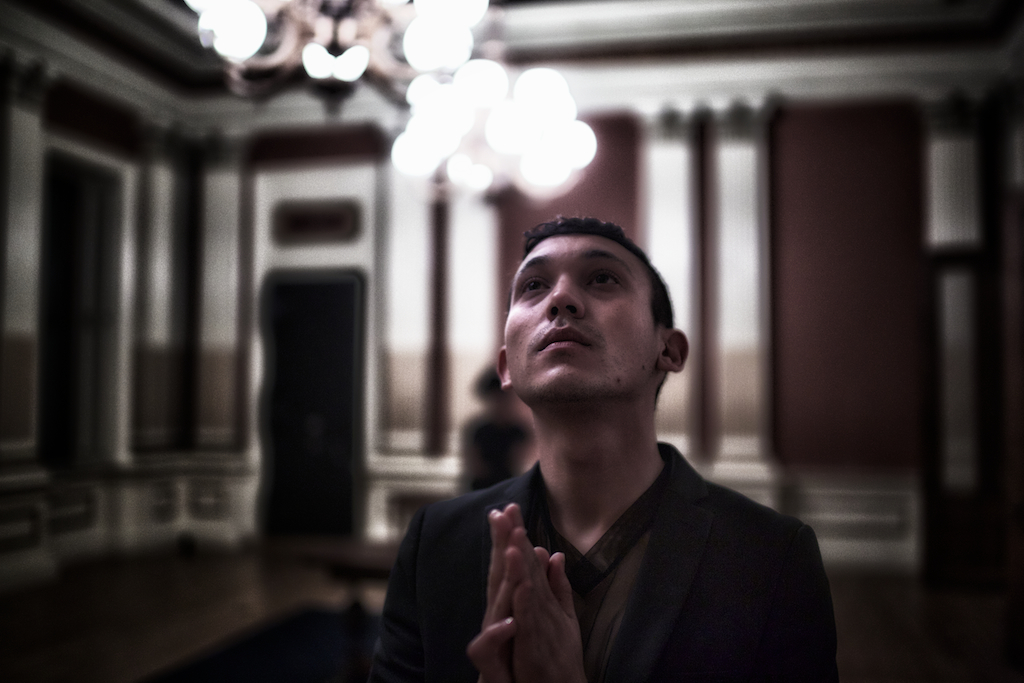
“The performance was breathtaking in the sheer size of its conception, and in the difficulty and risk of selecting Genet’s text. The performers and the performance inhabited and transformed the dusty and neglected space of the Old Mint building (…) These performers were masterful in creating each new performance space as the play progressed.” Cliff Gerrish, Echovar
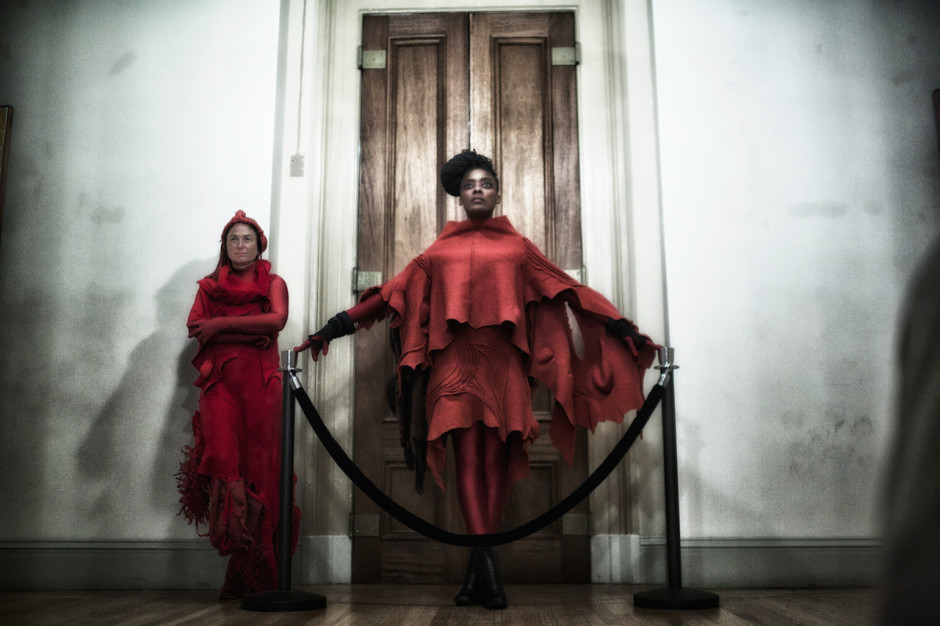
“Don’t miss this theater experience. By ushering you through the crypt beneath the granite fortress, the play disallows a privileged position from which to judge the characters, their actions and their prescriptions. I found myself taking a fresh look at theater and the larger story of humanity.” Jim Strope, The Examiner
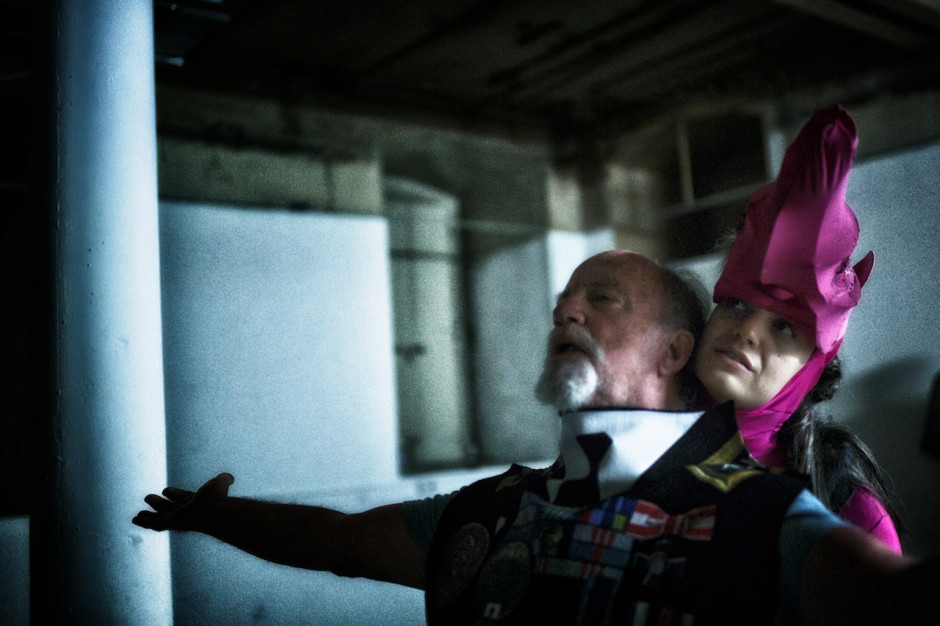
 Michael Hunter